• Tibetan Wellness
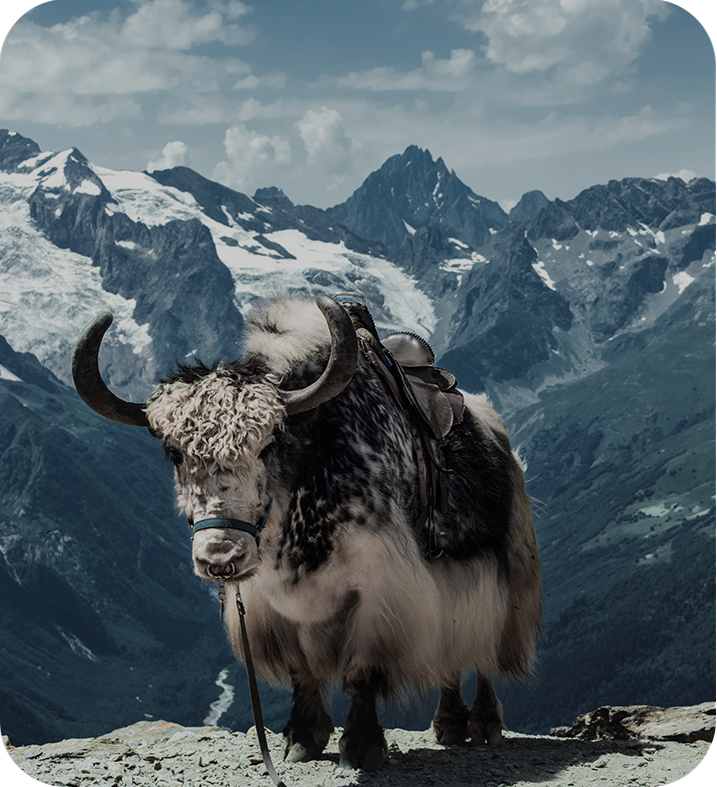
  • 雪山牦牛

Tibetan Medicine with a History of 3,800 Years

Tibetan medicine, together with Indian Ayurveda, Western traditional medicine, and traditional Chinese medicine, is known as one of the world’s four major traditional medical systems.

Tibetan Culture
Learn More
Tibetan Herbs
Learn More
Tibetan Wellness
Learn More
Tibetan Medicine with a History of 3,800 Years

Tibetan Medicine with a History of 3,800 Years

Tibetan medicine originated on the Qinghai-Tibet Plateau. Over thousands of years, the Tibetan people developed this body of science and wisdom within a unique natural and cultural environment. Throughout its long history, Tibetan medicine absorbed the essence of traditional Chinese medicine, ancient Indian medicine, and Persian medicine, gradually forming a systematic, comprehensive, distinctive, and scientific theoretical framework. Tibetan medicine, together with Indian Ayurveda, Western traditional medicine, and traditional Chinese medicine, is known as one of the world’s four major traditional medical systems.

Tibetan Wellness Culture: 3,800 Years of Life Wisdom

TRAVITY (USA) LIFE SCIENCES INC.
icon
Tibetan wellness
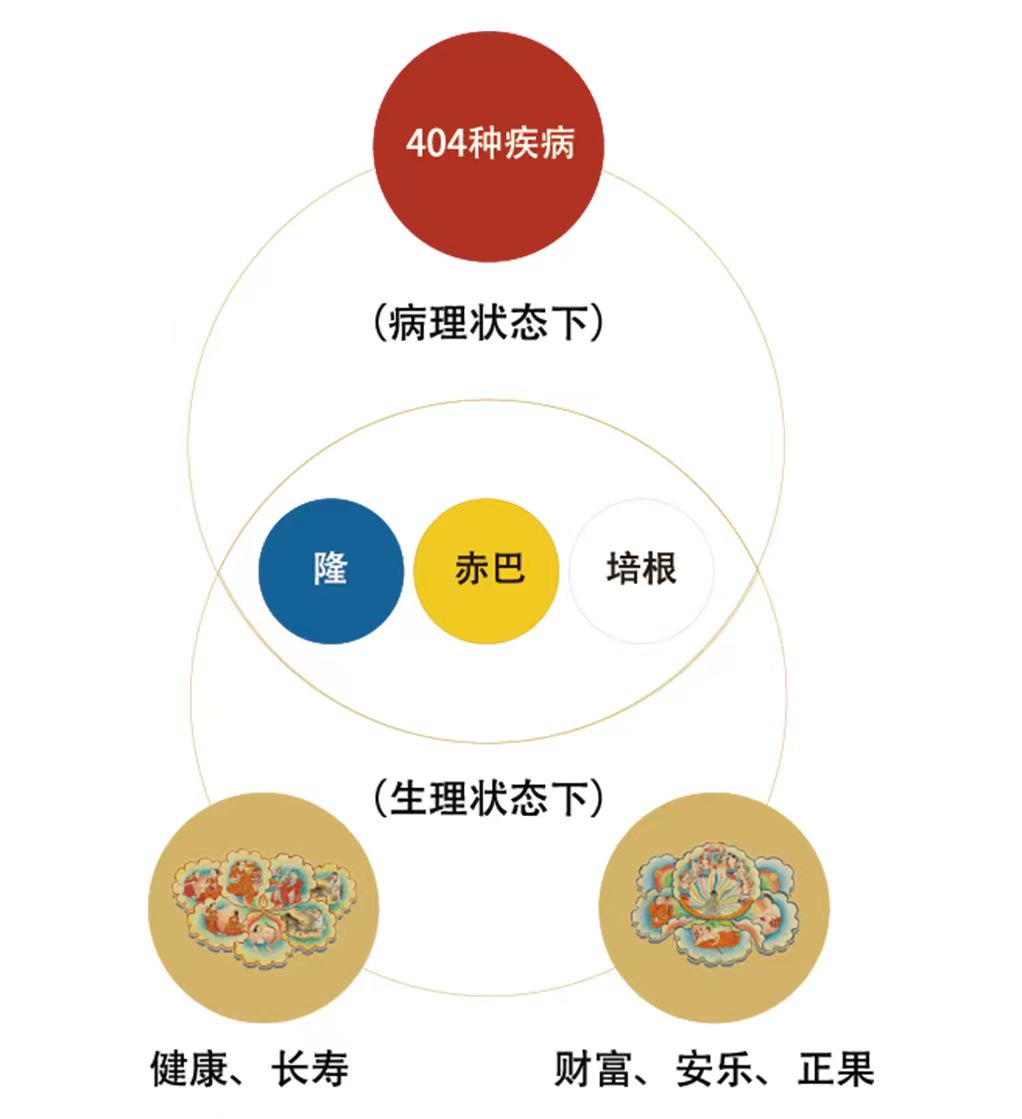
Tibetan wellness is centered on the theory of the Three Principles—Lung, Tripa, and Beken—and holds that human well-being depends on the balance of these three vital energies. It emphasizes preventive care, adjusting diet and daily lifestyle according to season, region, and individual constitution to help support balance before health concerns arise.

A Comprehensive Theoretical System

བོད་ལུགས་གསོ་རིག་དར་སྤེལ་བྱས་ནས་མི་རིགས་ཡོངས་ལ་ཕན་བདེ་བསྐྲུན།

Theory of the Three Principles

The core of Tibetan medical theory
Theory of the Three Principles

Theory of the Five Elements
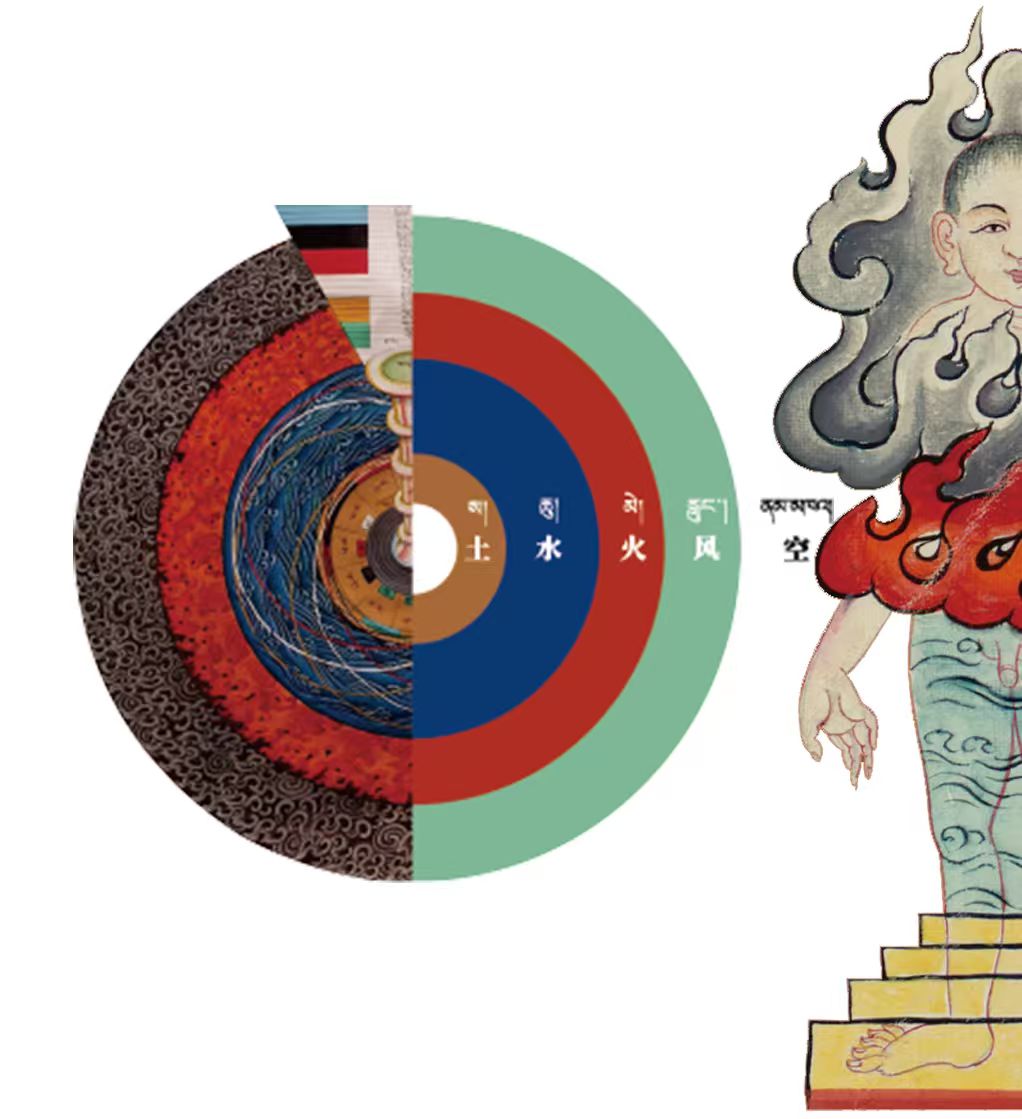
The foundation of Tibetan medical theory
Theory of the Five Elements

Theory of Cold and Heat
The guiding framework for Tibetan pathology and pharmacological
Theory of Cold and Heat
With the Three Principles—Lung, Tripa, and Beken—as its core physiological and pathological model, and the Five Elements—earth, water, fire, wind, and space—as its material foundation, Tibetan medicine systematically explains human physiology and anatomy, causes and mechanisms of imbalance, diagnostic methods, therapeutic principles, herbal formulations, external therapies, and preventive wellness practices. Its theory covers a broad medical scope, from internal to external care, from acute to chronic conditions, and from the individual body to the surrounding environment.

Preventive Philosophy and Wellness Approaches in Tibetan Medici
Preventive Philosophy

In its wellness approach, Tibetan medicine follows a progressive path of “diet → daily lifestyle → medicine → external treatment,” moving step by step from gentle regulation to deeper care. Among its cultural treasures, Tibetan medicinal bathing has been inscribed on UNESCO’s Representative List of the Intangible Cultural Heritage of Humanity, while the Menthang medical thangkas and the Four Medical Tantras have been included in the Memory of the World heritage.

Tibetan wellness is not only about caring for the body; it also pursues harmony of body, mind, and spirit, supporting holistic well-being across physical, mental, and spiritual dimensions. It uses plateau-specific plants, minerals, and metals through specialized preparation methods such as Zuotai, forming a distinctive, comprehensive, and systematic health philosophy.
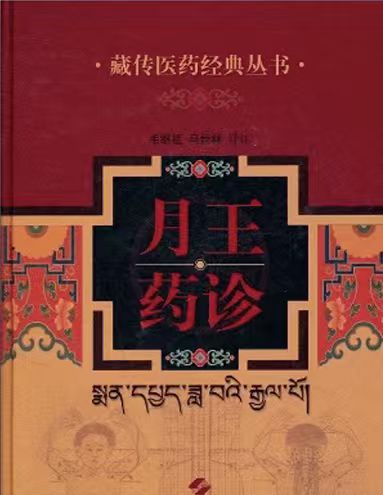
The Moon King’s Medical Diagnosis
Completed in the mid-8th century, it is one of the oldest surviving classical works of Tibetan medicine and pharmacology, integrating theory, practice, and Tibetan materia medica.
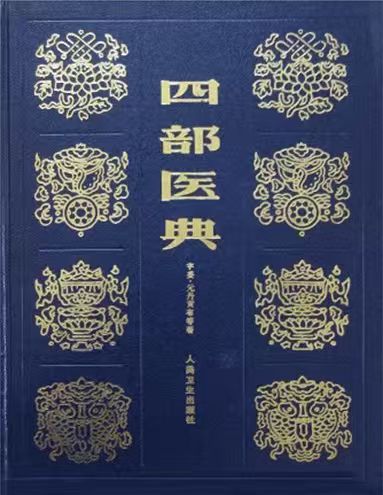
The Four Medical Tantras
Completed in the late 8th century and compiled by Yuthok Yonten Gonpo, the revered master of Tibetan medicine, it is regarded as a pinnacle of Tibetan medical literature with a complete theoretical system. Its status in Tibetan medicine is comparable to that of the Huangdi Neijing in traditional Chinese medicine.
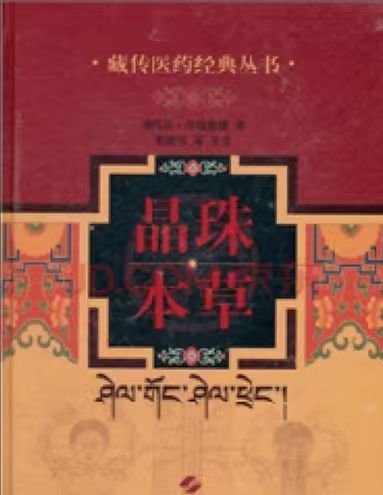
The Crystal Pearl Materia Medica
Completed in 1835, it records 1,167 categories and 2,294 entries of commonly used Tibetan medicinal substances, 423 more categories than the Compendium of Materia Medica.

Regional Resources and Cultural DNA

Regional Resources and Cultural DNA
The Qinghai-Tibet Plateau’s high altitude, averaging over 4,000 meters, strong ultraviolet radiation, and significant temperature differences between day and night have shaped the unique secondary metabolites and highly active components of its medicinal plants. These conditions have also nurtured Tibetan medicine’s wellness wisdom of using warmth to counter cold and balancing the Three Principles, forming an irreplaceable regional foundation for Tibetan medical culture.

Unique Regional Resources

Unique Regional Resources
Tibetan Medicinal Plants

Tibetan Medicinal Plants

191FAMILIES
Tibetan  Medicinal Animals

Tibetan Medicinal Animals

57FAMILIES

Tibetan  Medicinal Minerals

Tibetan Medicinal Minerals

80TYPES

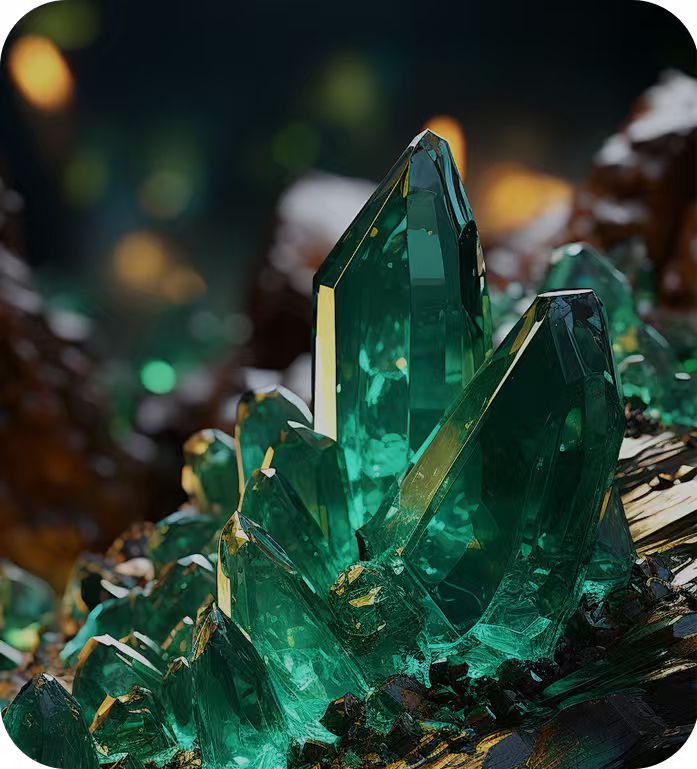
The alpine, high-UV, and low-oxygen environment of the Qinghai-Tibet Plateau has nurtured a large number of distinctive medicinal plants, animals, and minerals. Tibetan medicine traditionally makes extensive use of minerals and metals, such as gold, silver, copper, and iron. After complex preparation processes such as Zuotai, they form a distinctive feature of Tibetan medicinal practice.

Distinctive Cultural Resources

icon
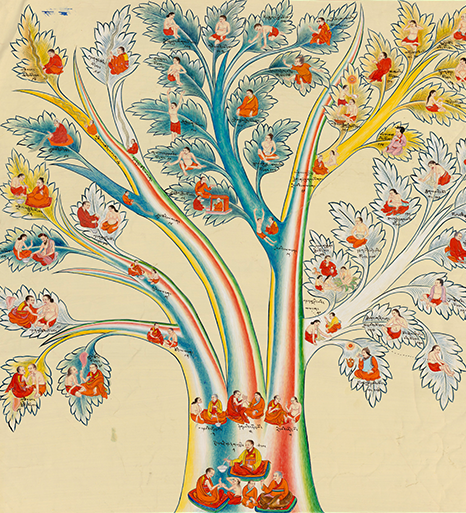
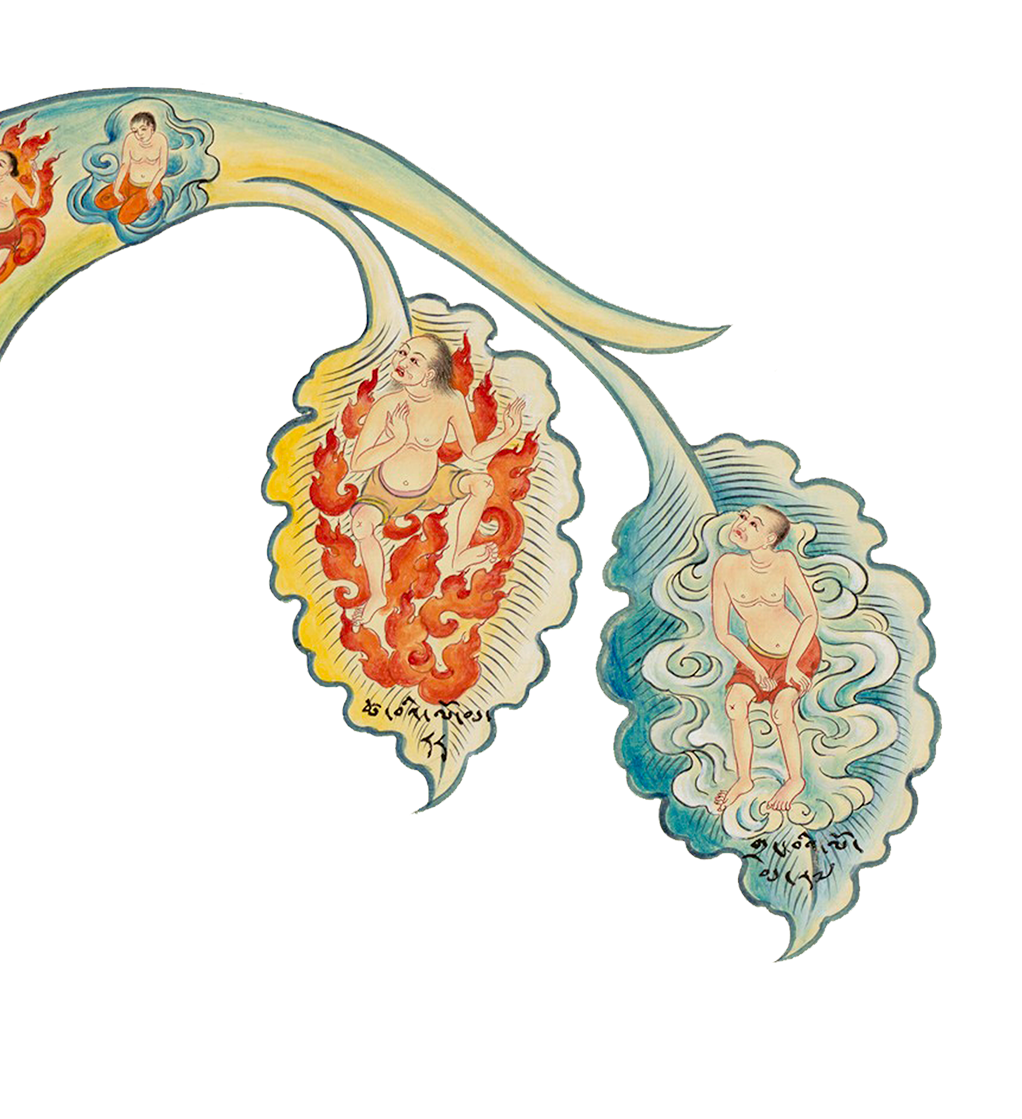
The Diagnostic Tree of Diseases
The root of diagnosis grows into three trunks: observation, inquiry, and palpation. The observation trunk has 3 branches and 6 leaves; the palpation trunk has 3 branches and 3 leaves; and the inquiry trunk has 3 branches and 29 leaves. Because the Three Disturbing Factors each have different characteristics and expressions, Lung is represented by bluish gray, Tripa by yellow, and Beken by white. Dual and combined disturbances are represented by the colors of the factors involved.
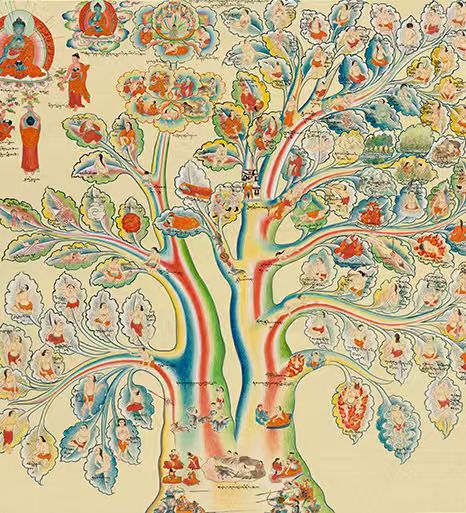
人体的生理病理树
The Physiological and Pathological Tree of the Human Body
From the root of the human body grow two trunks: physiology and pathology. The physiological trunk has 3 branches and 25 leaves; the pathological trunk has 9 branches and 63 leaves. Because the Three Disturbing Factors differ in essence and nature, Lung is shown in blue, Tripa in yellow, and Beken in white. Dual and combined forms are shown in the corresponding colors of the combined elements.
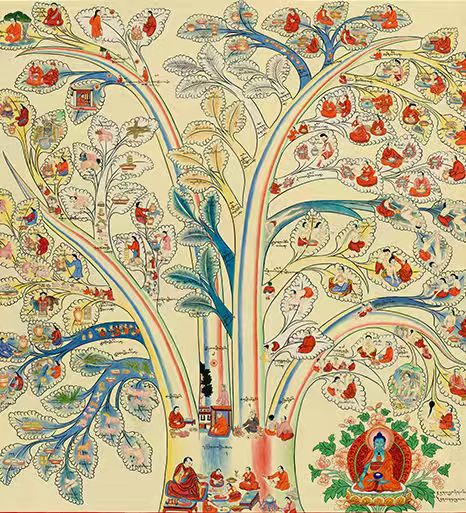
The Therapeutic Tree of Diseases
The root of treatment grows into four trunks: diet, lifestyle behavior, medicine, and external therapy. The dietary treatment trunk has 6 branches and 35 leaves; the lifestyle and behavioral treatment trunk has 3 branches and 6 leaves; the medicinal treatment trunk has 15 branches and 57 leaves; and the external therapy trunk has 3 branches and 7 leaves. Because each disturbing factor has its own essence and characteristics, Lung-related conditions are shown in blue, Tripa-related conditions in yellow, and Beken-related conditions in white. Dual and combined conditions are shown in the colors corresponding to the conditions involved.
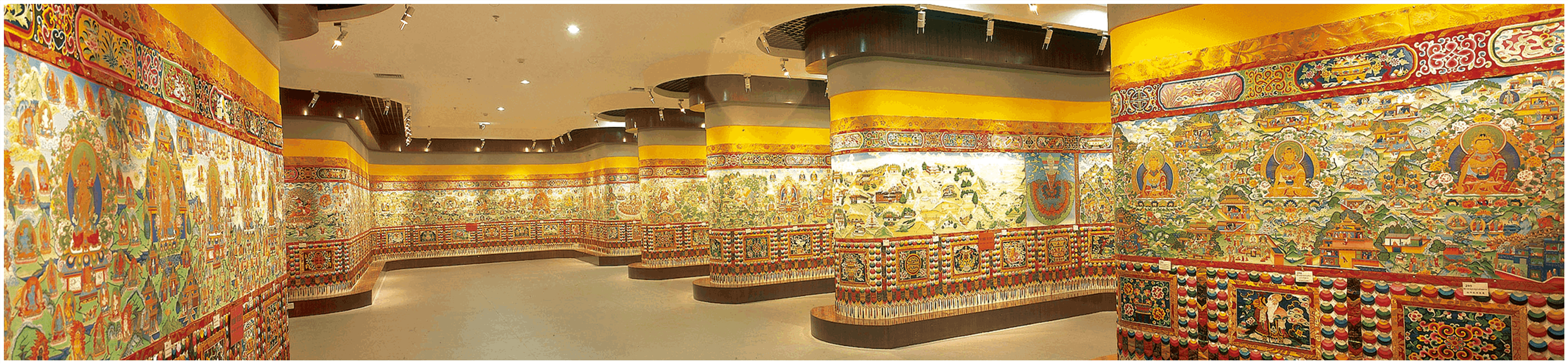
Tibetan medicine created unique cultural carriers, including Menthang medical thangkas as teaching tools, the physician-monk lineage system, and pharmacological prayers. Based on indigenous theories such as the Three Principles and Five Elements, Tibetan medicine developed an independent paradigm distinct from traditional Chinese medicine and Indian medicine. Menthang medical thangkas and the Four Medical Tantras have been included in the Memory of the World heritage.
Tibetan medicine